
How to Successfully Start and Maintain Your Own Backyard Beehive

Starting a beehive at home offers more than just fresh honey. It supports local ecosystems by helping pollinate plants and flowers, which benefits your garden and the environment. If you want to try beekeeping but don’t know where to begin, this guide will walk you through the essential steps to set up and care for a backyard beehive. With clear instructions and practical tips, you can build a thriving hive even as a beginner.

Choosing the Right Location for Your Hive
The location of your beehive plays a big role in how well your bees will thrive. Pick a spot that:
Receives plenty of sunlight during the morning hours to warm the hive.
Has a natural or artificial windbreak like a fence or shrubs to protect bees from strong winds.
Is away from heavy foot traffic or noisy areas to keep the bees calm.
Has access to nearby nectar and pollen sources such as flowering plants, trees, or gardens.
Make sure the hive entrance faces away from busy paths or neighbors’ yards to reduce conflicts. A spot with some shade in the afternoon helps prevent overheating.
Getting Your Beehive and Equipment
For beginners, the Langstroth hive is the most popular choice because of its modular design and ease of management. You can buy a ready-made hive or build one yourself if you’re handy.
Essential equipment includes:
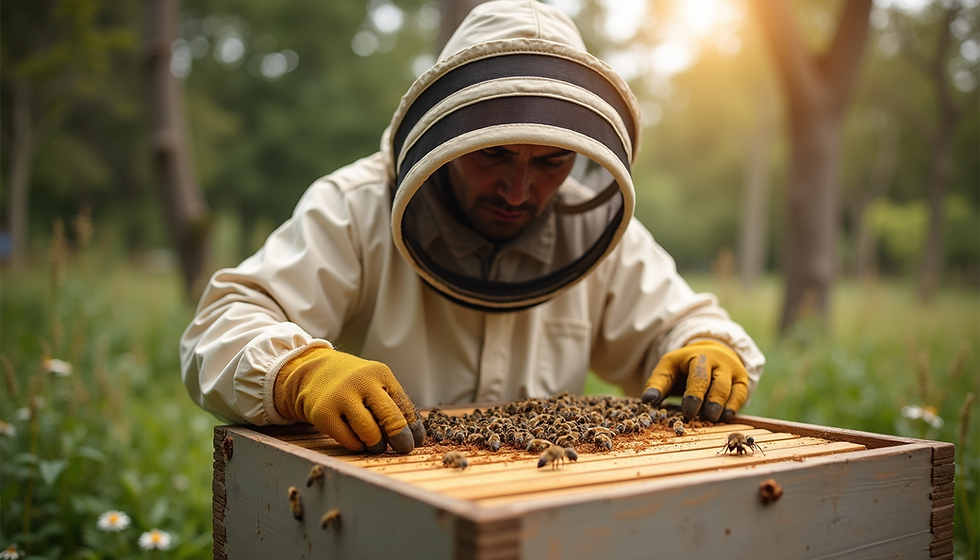
Protective gear: A bee suit with veil, gloves, and boots to prevent stings.
Smoker: Used to calm the bees when inspecting the hive.
Hive tool: A small metal tool to pry apart frames and scrape off excess wax or propolis.
Bee feeder: Helps provide supplemental food during early spring or late fall when nectar is scarce.
You can find these supplies at local beekeeping stores or online retailers specializing in beekeeping gear. Look for quality items that fit well and are comfortable to wear.
Acquiring and Installing Your Bees
There are a few ways to get bees:
Package bees: A box of worker bees with a queen included.
Nuc (nucleus colony): A small, established colony with frames of brood, honey, and bees.
Catching a swarm: Collecting a wild swarm of bees, which requires experience.
Once you have your bees, install them carefully following the instructions that come with your purchase. For example, when installing package bees, gently shake them into the hive and place the queen cage inside. Give the bees time to settle before closing the hive.
Regular Hive Monitoring and Maintenance
Check your hive every 7 to 10 days during the active season (spring through early fall). Look for signs that the colony is healthy:
The queen is present and laying eggs. You should see eggs, larvae, and capped brood.
The bees are building comb and storing honey and pollen.
There are no signs of pests or diseases such as Varroa mites or foulbrood.
The hive has enough space to prevent overcrowding, which can lead to swarming.
Use your smoker and hive tool to open the hive calmly and avoid disturbing the bees too much. Keep notes on what you observe to track the hive’s progress.
Seasonal Care Tips
Early spring: Provide supplemental feeding if natural nectar is limited. This helps the colony build strength.
Summer: Add extra boxes (supers) if the bees need more space for honey storage.
Late fall: Prepare the hive for winter by ensuring enough honey stores and insulating the hive if needed.
Winter: Avoid opening the hive unless necessary. Check for ventilation and signs of moisture buildup.
Common Challenges and How to Handle Them
Bee aggression: Stay calm and move slowly. Always wear protective gear to reduce stings.
Pest infestations: Regularly check for Varroa mites using sticky boards or sugar rolls. Treat with approved methods if mites are detected.
Swarming: Prevent overcrowding by adding space and splitting strong colonies if needed.
Honey production issues: Ensure your bees have access to diverse nectar sources. Avoid harvesting too much honey early in the season.
By addressing these challenges early, you help your bees stay healthy and productive.

Comments