
Essential Tips and Common Mistakes Every New Beekeeper Should Know to Succeed

Starting beekeeping can be an exciting and rewarding journey, but it also comes with challenges that many beginners don’t expect. If you’re new to this craft, you might wonder what steps lead to success, whether you should expect honey in your first year, and how to avoid common pitfalls. This guide shares practical advice and lessons learned from experienced beekeepers to help you build a thriving hive.
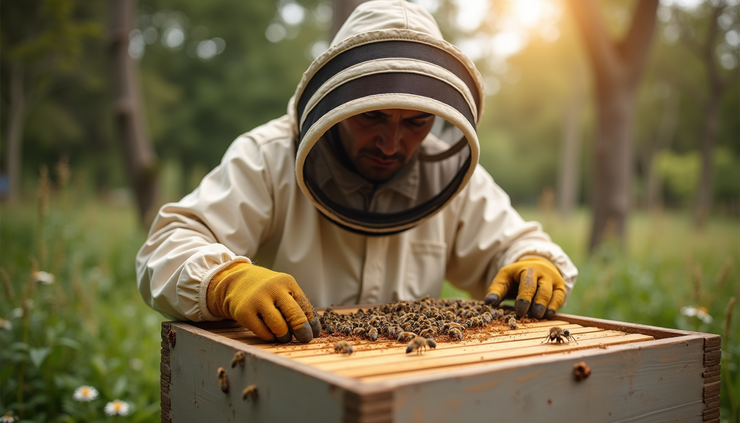
Understanding the Basics Before You Start
Before you open your first hive, it’s crucial to understand what beekeeping really involves. Bees are living creatures with complex behaviors and needs. They require regular care, attention, and a suitable environment to thrive.
Learn about bee biology and behavior. Knowing how bees communicate, build comb, and raise brood helps you anticipate their needs.
Research local regulations. Some areas have rules about hive placement, hive numbers, or registration.
Choose the right equipment. Start with a standard Langstroth hive, protective gear, and basic tools like a smoker and hive tool.
Taking time to prepare sets a strong foundation and reduces surprises.
The Best Steps to Becoming a Successful Beekeeper
Success in beekeeping comes from steady learning and consistent care. Here are key steps to follow:
Start with a strong, healthy colony. Purchase bees from a reputable supplier or local beekeeper. A vigorous queen and active workers increase your chances of success.
Inspect your hive regularly. Check every 7 to 10 days during the active season. Look for signs of disease, queen health, brood pattern, and food stores.
Manage pests and diseases early. Varroa mites, wax moths, and foulbrood can devastate hives. Use integrated pest management techniques and monitor mite levels.
Feed your bees when necessary. In early spring or late fall, supplemental feeding with sugar syrup or pollen patties supports colony growth.
Provide adequate space. Add supers (extra boxes) as the colony grows to prevent overcrowding and swarming.
Keep detailed records. Note hive inspections, treatments, and observations. This helps track progress and identify problems.
Following these steps builds a healthy hive that can produce honey and pollinate plants.
Common Mistakes New Beekeepers Make
Many beginners face setbacks due to avoidable errors. Recognizing these mistakes helps you steer clear of them:
Expecting honey in the first year. Most new hives focus on building population and comb. Honey harvest usually happens in the second year.
Opening the hive too often or at the wrong time. Frequent disturbance stresses bees and can reduce productivity.
Ignoring signs of queen problems. A failing or missing queen leads to poor brood patterns and weak colonies.
Not controlling pests early. Waiting too long to treat varroa mites can cause colony collapse.
Poor hive placement. Hives need sunlight, wind protection, and easy access. Placing them in damp or shaded areas harms bee health.
Using too much smoke. Excessive smoke can agitate bees rather than calm them.
Avoiding these pitfalls improves your chances of maintaining a strong, productive colony.
Should You Expect Honey in Your First Year?
Many new beekeepers hope to harvest honey right away, but this is rarely realistic. The first year is mostly about establishing the colony:
The bees focus on building comb, raising brood, and storing enough food to survive winter.
The queen is laying eggs to grow the population.
You may see some honey, but it’s best to leave it for the bees to build strength.
Harvesting honey too soon can weaken the hive and reduce survival rates. Plan to enjoy your first honey harvest in the second or third year when the colony is well established.
Additional Facts Every New Beekeeper Should Know
Swarming is natural. Bees reproduce by swarming, which means part of the colony leaves with a new queen. Managing hive space and splitting colonies can reduce swarming.
Weather affects hive activity. Bees are less active in cold or rainy weather. Plan inspections and feeding accordingly.
Beekeeping is seasonal. Spring and summer require more attention, while fall and winter focus on preparation and protection.
Protect yourself and others. Always wear protective clothing and inform neighbors about your hives.
Join a local beekeeping group. Experienced beekeepers offer valuable advice and support.

Comments