
Hive Inspections

Best Practice Hive Inspection Checklist
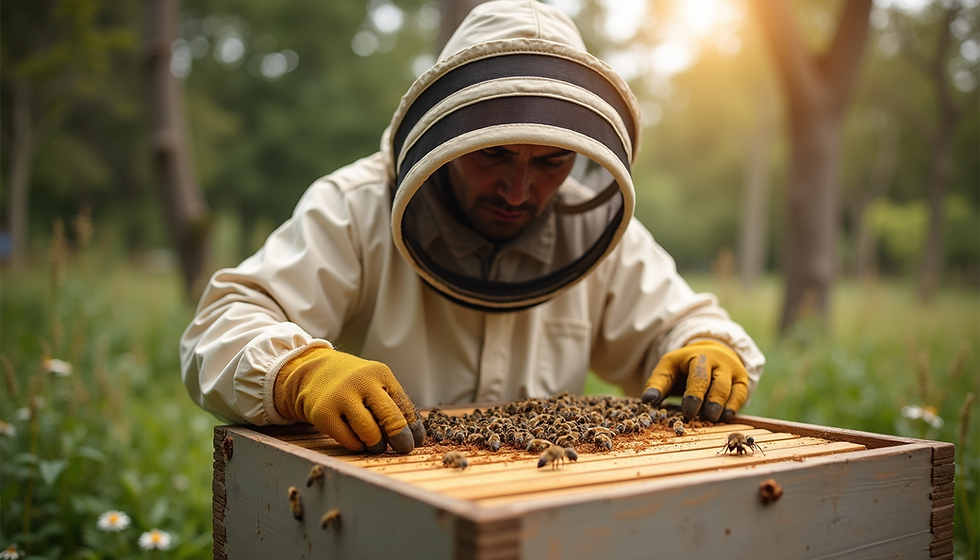
Inspecting your beehives can be overwhelming, but having a structured checklist can help you stay organized and ensure you cover all necessary aspects.
Below is a comprehensive checklist that includes seasonal-related tasks and inspections.
General Inspection Checklist
Status of the Queen:
Check for the presence of the queen.
Look for eggs and young larvae as indicators of a healthy queen.
Observe the queen's behavior and size.
Brood Pattern:
Inspect brood frames for healthy brood patterns.
Check for signs of disease or irregular patterns.
Honey Stores:
Assess honey frames for adequate stores.
Look for capped honey and signs of foraging activity.
Pollen Stores:
Check for sufficient pollen stores for brood rearing.
Observe the color and condition of the pollen.
Presence of Diseases or Pests:
Look for signs of Varroa mites, wax moths, or other pests.
Inspect for symptoms of diseases such as American Foulbrood or Nosema.
Seasonal-Related Tasks
Spring
Check for queen activity and brood production.
Monitor for swarming preparations.
Feed sugar syrup if necessary to stimulate brood rearing.
Summer
Inspect for honey production and adequate space in the hive.
Monitor for pests and diseases actively.
Ensure bees have enough water sources available.
Fall
Evaluate honey stores for winter readiness.
Check for diseases and treat if necessary before winter.
Reduce entrance size to prevent robbing and increase hive warmth.
Winter
Minimize disturbances; check hive weight to assess honey stores.
Ensure proper ventilation to prevent moisture buildup.
Monitor for signs of mouse activity or other intruders.
Conclusion
Using this checklist during your hive inspections will help you keep track of the important aspects of hive management and ensure the health of your bee colonies throughout the year. Regular inspections and attention to seasonal tasks are key to successful beekeeping.

Comments