
The Most Engaging Honeybee Blog Posts that Captivated Readers

Honeybees have fascinated people for centuries, not only because of their vital role in ecosystems but also due to their complex behaviors and social structures. Among the many blog posts about honeybees, some have stood out by capturing readers’ attention and sparking lively discussions. This post explores the most highly posted and responded-to honeybee blog posts, revealing what makes them so engaging and what readers find most compelling about these remarkable insects.

Why Honeybee Content Attracts So Much Interest
Honeybees are essential pollinators, supporting food production and biodiversity. This importance alone draws many readers who want to learn how to protect them. However, the most engaging posts go beyond facts and figures. They connect emotionally, offer practical advice, and share surprising insights about honeybee life.
Readers often respond strongly to posts that:
Explain the impact of honeybees on food security and ecosystems.
Share personal stories or experiences with beekeeping.
Provide actionable tips for helping honeybees thrive.
Reveal little-known facts about honeybee behavior and biology.
Discuss threats to honeybee populations and how to address them.
Understanding these elements helps bloggers create content that resonates deeply with their audience.
The Top Honeybee Blog Posts and What Made Them Stand Out
1. How to Start Your Own Beehive at Home
One of the most popular honeybee posts guides readers through the process of setting up a backyard beehive. It combines clear instructions with practical tips, making beekeeping accessible to beginners. The post includes:
Step-by-step setup instructions.
Recommended equipment and where to buy it.
Tips on hive maintenance and seasonal care.
Common challenges and how to overcome them.
Readers appreciate the hands-on approach and the encouragement to contribute to honeybee conservation personally.
2. The Secret Life of Honeybees: Fascinating Facts You Didn’t Know
This post dives into the complex social structure of honeybee colonies, revealing surprising behaviors such as:
How bees communicate through the waggle dance.
The role of the queen and worker bees.
How bees maintain hive temperature.
The process of honey production.
The post uses engaging storytelling and vivid descriptions, making science approachable and exciting. It encourages readers to see honeybees as intelligent and highly organized creatures.
3. Why Honeybees Are Disappearing and What You Can Do to Help
Addressing the urgent issue of declining honeybee populations, this post explains:
Causes of colony collapse disorder.
The effects of pesticides and habitat loss.
How climate change impacts bees.
Simple actions individuals can take, like planting bee-friendly flowers and avoiding harmful chemicals.
The post’s clear call to action motivates readers to become part of the solution, which drives high engagement and sharing.
4. The Health Benefits of Raw Honey and How to Choose Quality Products
Many readers are interested in honey beyond its ecological role. This post explores:
Nutritional and medicinal properties of raw honey.
Differences between raw and processed honey.
Tips for selecting pure, high-quality honey.
Recipes and uses for honey in everyday life.
By connecting honey to health and wellness, the post appeals to a broad audience, increasing comments and questions.
5. Beekeeping Success Stories: How Hobbyists Changed Their Communities
Personal stories resonate strongly with readers. This post features interviews and anecdotes from amateur beekeepers who:
Started with a single hive and expanded.
Educated their neighbors about bees.
Helped local gardens and farms thrive.
Inspired others to take up beekeeping.
These narratives provide hope and inspiration, encouraging readers to take action themselves.
What Readers Look for in Honeybee Blog Posts
From analyzing the most engaging posts, several key reader interests emerge:
Practical guidance that empowers them to get involved.
Scientific insights presented in an accessible way.
Environmental awareness with clear explanations of threats.
Personal connection through stories and experiences.
Health and lifestyle relevance related to honey and bee products.
Bloggers who combine these elements create content that educates, motivates, and entertains.
Tips for Writing Your Own Engaging Honeybee Blog Posts
If you want to create honeybee content that captivates readers, consider these strategies:
Start with a strong hook that highlights a problem or surprising fact.
Use clear, simple language to explain complex ideas.
Include real-life examples or stories to build connection.
Offer actionable advice readers can apply immediately.
Use visuals like photos or diagrams to illustrate points.
Invite readers to share their experiences or questions.
Keep paragraphs short and use headings for easy scanning.
By focusing on what readers care about, your posts will attract more views and comments.
The Role of Images in Honeybee Blogging
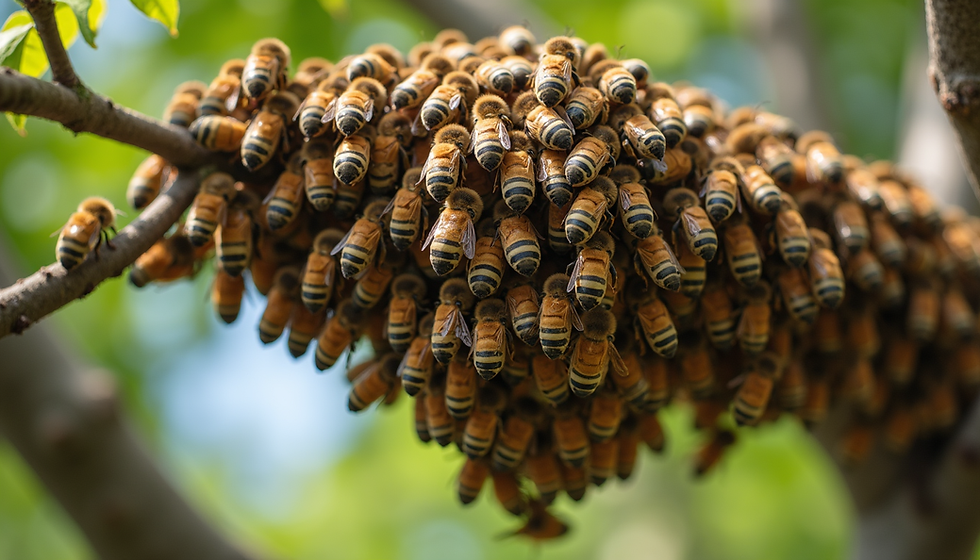
Including images can significantly boost engagement. A well-chosen photo of a honeybee at work or a thriving hive adds visual interest and helps readers connect emotionally. For example, a close-up of a bee collecting nectar from a flower highlights the beauty and importance of pollination.
Images should be clear, relevant, and placed thoughtfully within the post to complement the text without overwhelming it.
Final Thoughts on Honeybee Blog Engagement
The most engaging honeybee blog posts combine education, inspiration, and practical value. They tap into readers’ curiosity about these fascinating insects and their desire to make a positive impact. Whether through detailed how-to guides, eye-opening facts, or heartfelt stories, these posts build a community of informed and motivated readers.


Comments